 By pedicurekitchannel
I still remember the winter I ignored my feet completely. They were hidden away in thick socks and boots, so I assumed they were fine. Then came spring—and I looked down at heels that were cracked, dry, and painful. It took weeks of intensive care to undo the damage.
Winter is the harshest season for your feet. Cold air, indoor heating, and heavy footwear all conspire to dry out your skin and weaken your nails. Here is everything I have learned about keeping your feet healthy, soft, and comfortable through the coldest months.
Why Winter Wreaks Havoc on Your Feet
Winter attacks your feet from multiple directions. Cold air holds less moisture than warm air, so humidity drops both outdoors and indoors (heated homes are notoriously dry). Your skin loses moisture faster than it can replenish.
Feet have fewer oil glands than any other part of your body. They cannot produce their own natural oils to protect against dryness. Boots and thick socks trap moisture and friction, creating a warm, damp environment where skin softens, then rubs against fabric, leading to calluses and cracks. And when feet are hidden, they are out of sight, out of mind—we simply forget to care for them with the same attention we give our hands.
The result is dry, cracked heels, calluses, brittle toenails, and sometimes even fungal issues if moisture is trapped too long.
Daily Moisturising: Your First Line of Defence
This is the single most important winter foot care habit. Not every other day. Not when you remember. Every single day.
Apply a rich foot cream immediately after showering or bathing. Skin absorbs moisture best when it is still slightly damp. Look for creams containing urea (10‑20%), shea butter, glycerin, or ceramides. Urea is particularly effective for rough, cracked skin—it softens dead tissue while hydrating living layers. Avoid thin lotions; winter feet need thick, rich formulas.
Apply generously to heels, soles, and the tops of your feet. Massage until absorbed. For extra hydration, apply a thick layer before bed and wear cotton socks overnight. This locks in moisture and softens even the most stubborn calluses.
Exfoliation: Remove Dead Skin Gently
Dead skin builds up faster in winter because the dry air accelerates cell turnover. Left unchecked, it hardens into painful calluses and cracks.
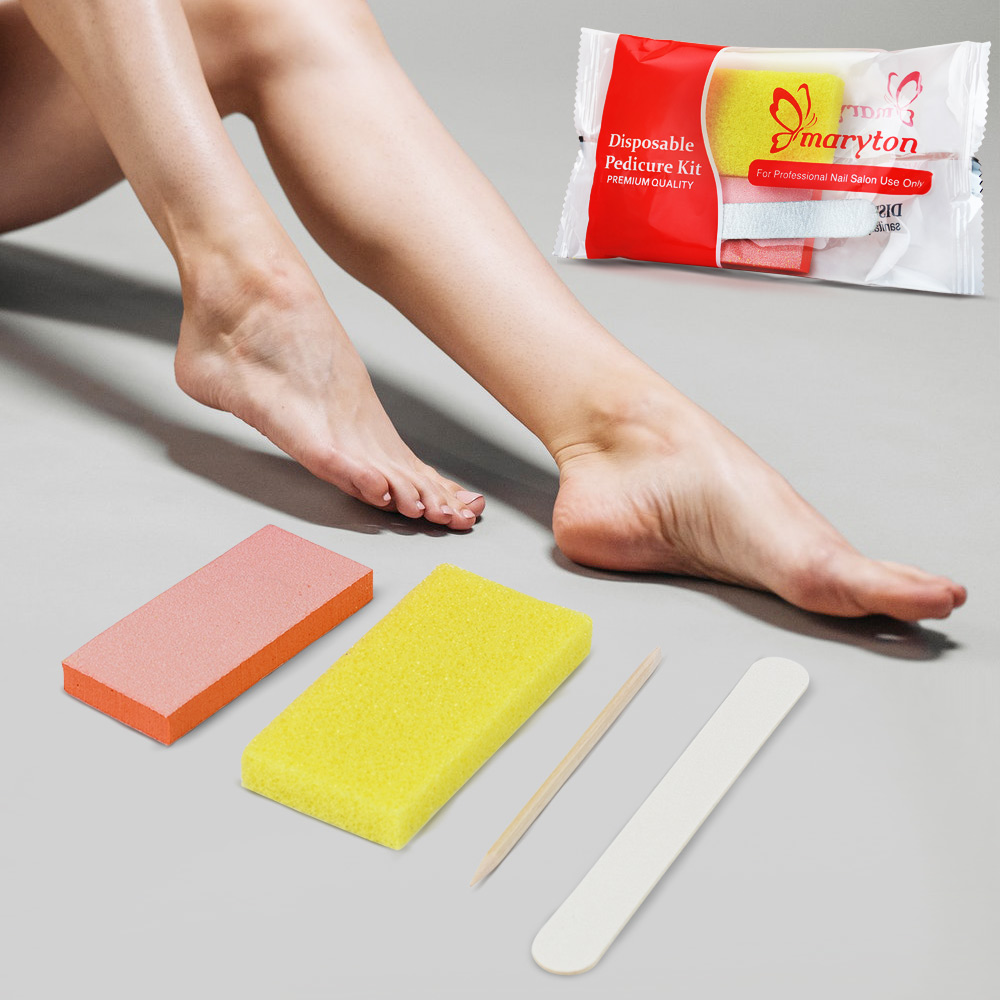
Exfoliate your feet once a week—no more. Over-exfoliation can strip away healthy skin and make problems worse. Soak your feet in warm water for 10‑15 minutes to soften the skin. Using a pumice stone or foot file, gently work on rough areas: heels, the outer ball of the foot, and the sides of the big toe. Use light pressure—if it hurts, you are overdoing it. If you see pink skin, stop.
Rinse and pat dry. Follow immediately with moisturiser.
Nail Care: Trim Straight and Hydrate
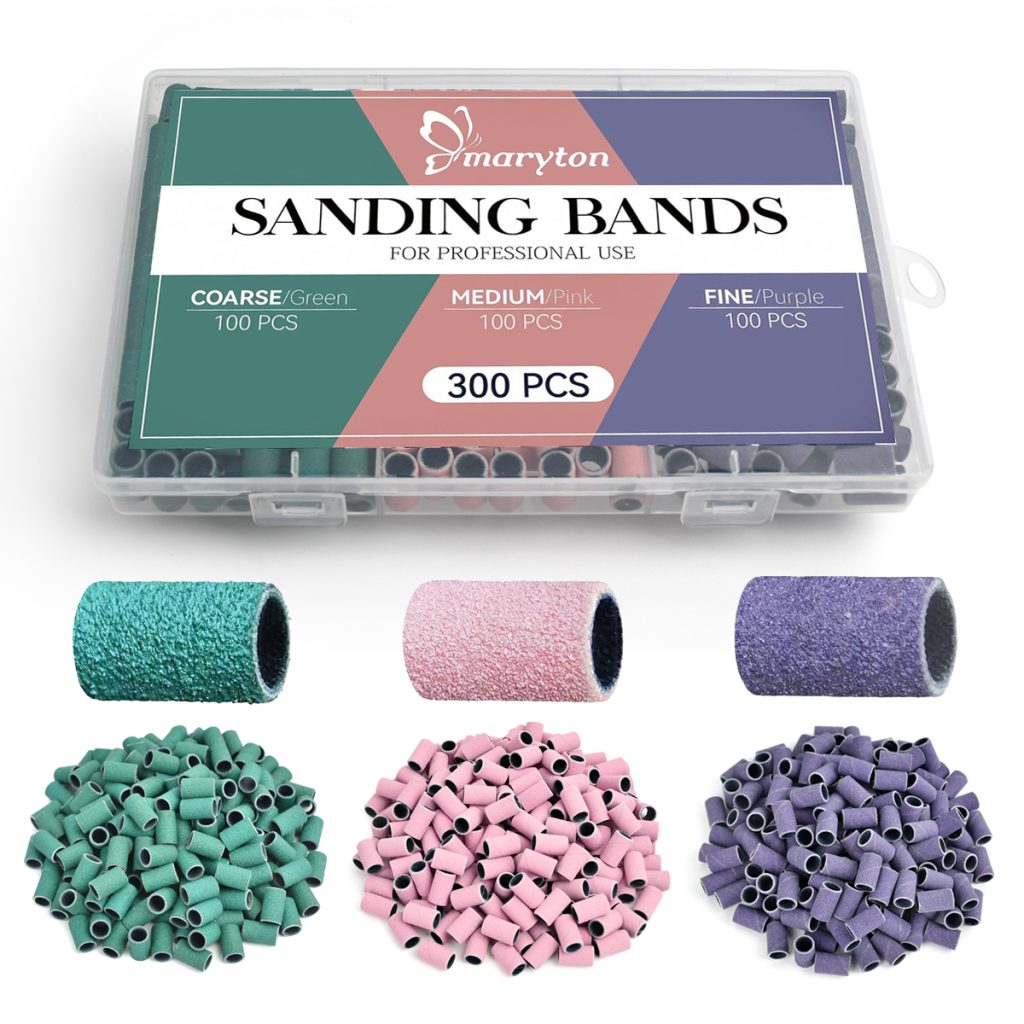
Toenails grow slower in winter, but they still need attention. Trim nails straight across—never round the corners, which can lead to ingrown toenails. Leave a tiny bit of white at the tip. File edges smooth with a fine sanding band.
Apply cuticle oil to each toenail. Dry cuticles can crack and become painful. Massage the oil in and follow with a rich foot cream.
Protect Your Feet from Cold and Moisture
Warmth and moisture are a tricky balance in winter. You need to keep your feet warm, but you also need to keep them dry.
Choose socks made from moisture‑wicking materials like merino wool or bamboo. Avoid 100% cotton in winter—it absorbs moisture and stays damp, which can lead to chafing and fungal issues. Change your socks daily, and if your feet sweat during the day, change into a fresh pair.
Wear waterproof, insulated boots to protect from cold and wet conditions. Make sure your winter footwear has adequate room for thick socks without squeezing your toes. Tight boots can restrict circulation, cause friction, and lead to calluses and blisters.
The Overnight Treatment: Deep Hydration While You Sleep
For severely dry or cracked feet, an overnight treatment can work wonders. Apply a thick layer of rich foot cream or a dedicated foot mask. Cover with plastic wrap (to trap heat and moisture), then pull on cotton socks. Leave on for 30‑60 minutes or overnight. Remove, rinse lightly, and apply regular cream.
Some people swear by petroleum jelly (Vaseline) under socks overnight. It works, but it is greasy—use old socks.
What to Avoid in Winter
Hot showers and baths. Long, hot water strips natural oils. Keep water warm, not scalding. Limit soak time to 15 minutes.
Bare feet indoors. Hardwood floors, tile, and concrete are cold and dry. They also expose feet to dust and debris. Wear slippers or socks with grip.
Ignoring cracks. Small cracks can deepen into painful fissures that bleed and become infected. At the first sign of cracking, increase moisturising. For deep cracks, use a liquid bandage or a crack cream with urea.
Aggressive exfoliation. Over‑filing creates micro‑tears that worsen dryness. Gentle, regular exfoliation beats one aggressive session.
Tight boots. Shoes that pinch or rub create friction calluses. Ensure winter footwear has adequate room for thick socks without squeezing.
Quick Reference: Winter Foot Care Checklist
Daily:
- Moisturise after shower
- Wear clean, moisture‑wicking socks
- Check feet for dry spots or cracks
Weekly:
- 15‑minute soak with Epsom salts
- Gentle exfoliation with pumice stone
- Overnight intensive moisturising treatment
- Trim nails and tend to cuticles
Ongoing:
- Keep foot cream by bed for nightly application
- Wear slippers or socks indoors
- Stay hydrated (drink water—it affects skin health)
- Rotate boots to allow them to dry completely between wears
The Bottom Line
Winter does not have to mean spring foot emergencies. With consistent daily care and weekly intensive treatments, you can keep your feet soft, smooth, and healthy through the coldest months. The secret is not complicated: moisturise relentlessly, exfoliate gently, wear the right socks, and do not ignore small problems until they become big ones. Your feet carry you through every season. Give them the attention they deserve—even when they are hidden in boots. Come spring, they will be ready.
Read also: The Guide to Professional Manicure Kits: Why They Matter and How to Use Them