 By pedicurekitchannel
I used to think my nails simply refused to grow.
Every time they reached a certain length, they’d peel, split, or break. I tried “growth” polishes, biotin supplements, and even those weird gelatin concoctions my grandmother swore by. Nothing worked. I assumed I just had “weak” nails and gave up.
Then I learned something that changed everything: nails aren’t alive. At least, not the part you see.
Understanding how nails actually grow—and what influences them—turned my short, peeling nails into strong, long ones. Here’s what I discovered.
The Structure of Your Nails: What’s Actually Growing
Let’s start with anatomy. Your nail is more complex than it looks.
The nail plate is the hard, visible part. It’s made of keratin—the same protein as your hair. Here’s the key: the nail plate is dead. Like hair, it doesn’t repair itself. Once it’s damaged, it stays damaged until it grows out.
The nail matrix is the hidden engine. Located under your cuticle, this is where new nail cells are produced. The matrix determines your nail’s thickness, width, and curvature. Damage the matrix, and your nail grows misshapen or stops growing altogether.
The nail bed is the skin beneath the plate. It provides blood flow and nourishment. That pink color? Healthy circulation.
The cuticle protects the matrix from bacteria and moisture. Damage it, and you risk infection that can slow or stop growth.
What Affects Nail Growth: Internal Factors
Your nails grow at an average rate of 3 millimeters per month. But that speed varies based on factors inside your body.
Age
Children’s nails grow fastest. Growth slows with age. If your nails grew faster in your twenties than your forties, you’re not imagining it.
Hormones
Pregnancy often accelerates nail growth dramatically. Some women report their strongest, fastest-growing nails during pregnancy. Menopause can slow growth and increase brittleness.
Nutrition
Your nails reflect what you eat. Deficiencies in:
- Protein (nails are keratin)
- Iron (anemia causes thin, concave nails)
- Biotin (B vitamin essential for keratin production)
- Zinc (deficiency causes white spots and slow growth)
- Vitamin C (necessary for collagen production)
Health Conditions
Thyroid disorders, psoriasis, and circulatory issues directly affect nail growth. If your nails suddenly change texture or growth rate, consult a doctor—not just a nail tech.
External Factors: What Your Nails Endure
Even with perfect internal health, external factors can sabotage growth.
Mechanical trauma. This is the big one. Hitting, banging, or using nails as tools creates micro-fractures. The nail plate doesn’t heal. The damage grows out—but while it’s present, the nail is weaker and more prone to breaking.
Water exposure. Frequent handwashing, dishwashing without gloves, long showers—water penetrates the nail layers, causing them to swell, then shrink. Repeated cycles weaken the bonds between layers, leading to peeling.
Chemical exposure. Cleaning products, hand sanitizers, acetone, and even some soaps strip natural oils and dry out the nail plate. Dry nails become brittle and snap easily.
Aggressive filing. Filing back and forth or using coarse grits creates microscopic tears that travel up the nail as it grows. Peeling often starts from these tears.
Biting and picking. This doesn’t just shorten nails—it damages the nail bed and cuticle, sometimes permanently.
Daily Nail Care: The Foundation of Growth
You can’t force nails to grow faster. But you can create conditions where they grow stronger and stay longer.
1. Keep Them Shaped, Not Sharp
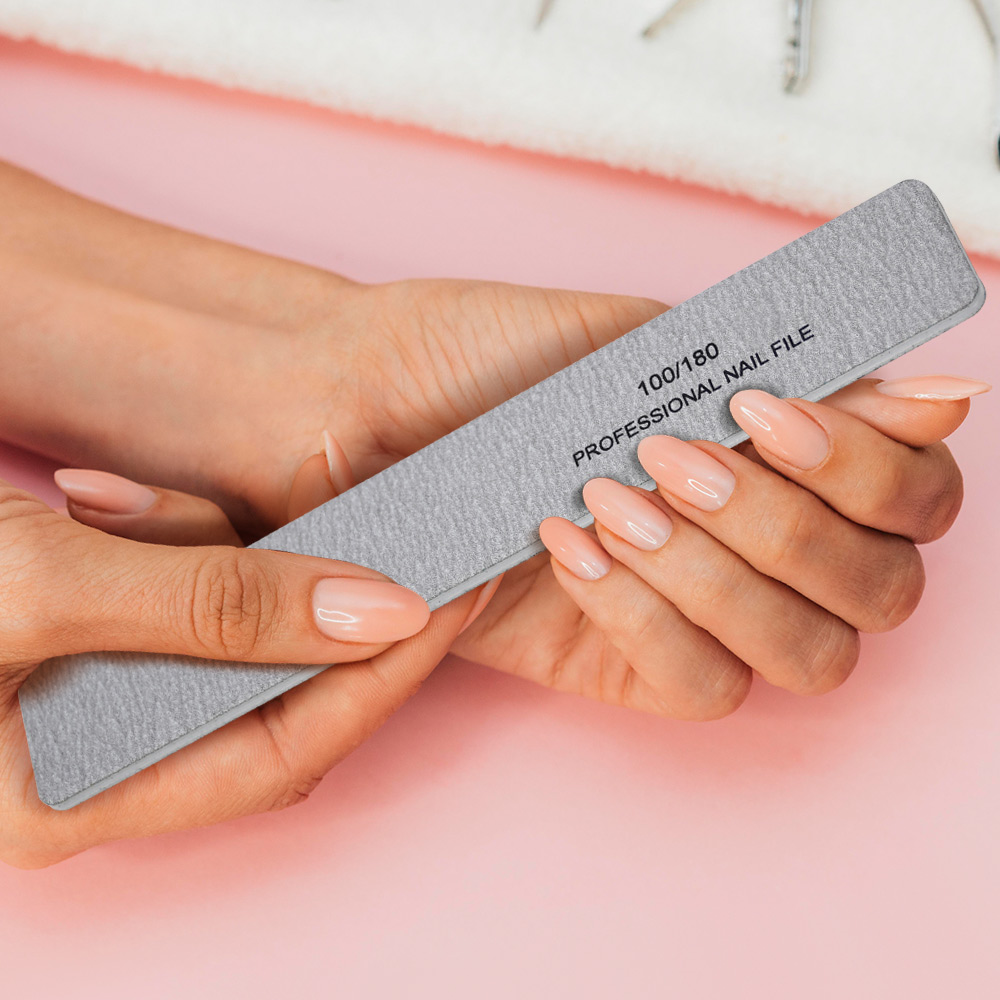
File regularly to prevent snags. File in one direction only—sawing back and forth creates micro-tears. Use a fine-grit nail file (240+) for natural nails.
2. Moisturize Relentlessly
Nails need hydration. Apply cuticle oil daily—morning and night. Jojoba oil mimics your skin’s natural sebum and penetrates the nail plate better than petroleum-based products. Massage into cuticles and under the free edge.
3. Wear Gloves for Wet Work
This is non-negotiable. Dishwashing, cleaning, gardening—wet conditions and chemicals strip nails. Gloves protect your investment.
4. Don’t Cut Cuticles
The cuticle is a protective seal. Cutting it invites infection that can damage the matrix. Push cuticles gently after softening, but never cut living tissue.
5. Use a Strengthener Wisely
Some strengtheners contain formaldehyde, which can actually make nails brittle over time. Look for keratin-based treatments or use a strengthening base coat. Apply for a few weeks, then give your nails a break.
6. Eat for Your Nails
Focus on protein-rich foods, leafy greens for iron, nuts and seeds for biotin, and citrus for vitamin C. If your diet lacks these, consider supplements after consulting a healthcare provider.
How to Encourage Faster Growth?
While you can’t change your genetic growth rate, these strategies help nails reach their full length potential:
Stimulate Blood Flow
The matrix gets nutrients from blood circulation. Gentle massage stimulates flow. When applying cuticle oil, spend a minute massaging each finger—especially the base of the nail.
Take Breaks from Polish
Constant coverage can mask problems and prevent oil from penetrating. A week of bare nails every month allows you to assess health and deeply moisturize.
Consider Biotin
Multiple studies show biotin (vitamin B7) improves nail thickness and reduces splitting. Typical dosage is 2.5-5 mg daily. Results take months—this isn’t instant.
Protect Your Free Edge
The most vulnerable part is the tip. Once a nail breaks, you lose weeks of growth. Keep tips slightly rounded rather than sharp corners. Cap them with top coat if wearing polish.
Be Patient
A fingernail takes 4-6 months to grow from cuticle to tip. Toenails take twice as long. Damage done today won’t grow out until summer. Growth is slow—consistency beats intensity.
Common Mistakes That Sabotage Growth
Over-buffing. Buffing smooths ridges but also thins the plate. Light passes only, once a week max.
Using nails as tools. Opening packages, peeling stickers, scraping. Each use creates micro-damage that adds up.
Skipping base coat. Color stains may not affect growth, but they can weaken structure over time.
Ignoring professional help. If nails are consistently thin, peeling, or discolored, see a dermatologist. Underlying conditions won’t fix with polish.
The Bottom Line
Nail growth isn’t about magic serums or overnight fixes. It’s about protecting the living matrix, nourishing the body, and preventing damage to the dead plate. Your nails grow at their own pace—but how long they stay depends entirely on you.
Start with the basics: moisturize daily, wear gloves for chores, file gently, and eat well. Give it three months of consistent care, and you’ll see nails longer and stronger than you thought possible.
Your nails do a lot for you. Treat them with patience, and they’ll grow.
Read also: The Art of French Pedicure: Elegance for Your Feet